
Industrial pneumatic conveying for ingredients and sensitive solids
Inicio Turnkey Installations Pneumatic transport and handling
Turnkey pneumatic conveying systems, designed from the process
We design and integrate pneumatic conveying systems to move ingredients, powders and bulk solids without compromising product integrity, process hygiene or the operation of your plant.
We don’t just sell a standalone machine: we design the entire process.
- Tailor-made solutions for the food, chemical, pharmaceutical, cosmetics and pet food industries…
- Vacuum conveying, pressure conveying, dense phase and dilute phase systems.
- Integration with new or existing installations.
- Engineering, manufacturing, commissioning and support through a single point of contact
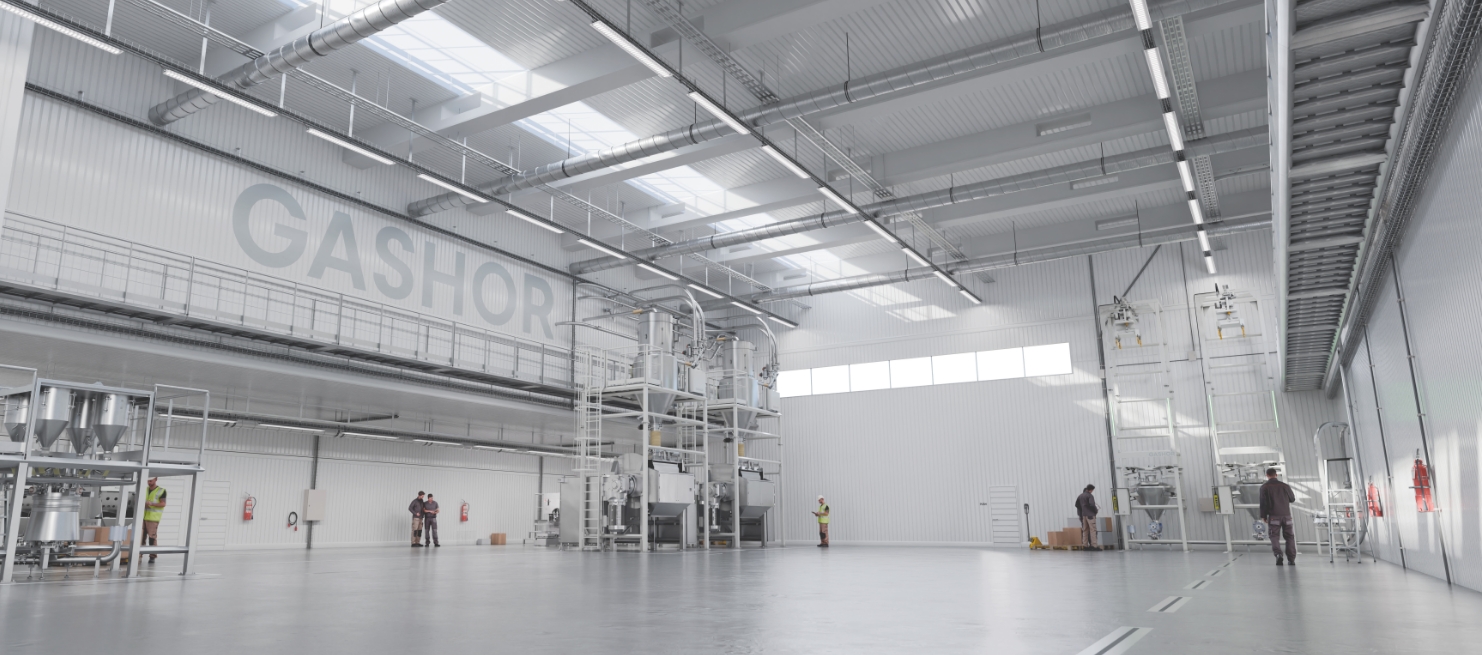
Process engineering, not just equipment supply.
At Gashor, we have spent decades designing solutions for industries where ingredient behavior directly impacts final product quality, process hygiene and plant profitability.
We approach pneumatic conveying as a critical part of the production process: not as an auxiliary line, but as a system that must protect the product, fit seamlessly into the actual installation and operate reliably over the long term.
60+ years
Designing industrial processes since 1959
15+ countries
With our own offices in Spain, Mexico and South Africa
4 divisions
Consulting, Industry, Innovation, Services
Turnkey solutions
From diagnosis to after-sales support
Integrated solutions.
Conveying, storage and dosing under a single engineering approach
The pneumatic conveying challenges solved by Gashor's solutions
When the issue lies not in the recipe, but in how the ingredient is conveyed
Many quality, yield and hygiene issues do not start in the mixing or dosing stages. They start earlier: in the transfer of ingredients between different points of the process.
When the system is not properly defined, the product degrades, fines are generated, material build-up occurs, airborne dust increases and operations become less stable.
These are some of the challenges we help you solve at Gashor:

The product arrives in a different condition than when it left
During conveying, some materials break down, segregate or change their behavior.
This affects the final quality of the process, especially when dealing with fragile, abrasive, cohesive or high-value ingredients.
Hygiene becomes more complicated than it needs to be
A poorly designed conveying system multiplies leakage points, material build-up, airborne dust and hard-to-clean areas.
When allergens, sanitary requirements or the risk of cross-contamination are involved, the conveying system ceases to be a secondary matter and becomes a critical issue.

Losses occur where they are least visible
Product retained in pipelines, the generation of fines due to excessive velocity, losses during transfers or poorly designed conveying routes.
The cost is not always immediately visible, but it eventually impacts performance, cleaning, maintenance and margins.
The existing installation limits improvement
In many plants, the issue is not only technical, but also one of integration. The challenge is to improve the conveying system without rebuilding half the factory, without disrupting production and without turning the project into a disproportionate undertaking.
Tailor-made Gashor designs
Pneumatic conveying systems designed for your product, your process and your plant
A proper ingredient conveying system is not chosen from a standard catalogue. It is defined by how the material behaves and how it needs to move within the plant.
Therefore, before proposing a solution, we analyse factors such as the type of ingredient, the conveying distance, the required throughput, the number of loading and discharge points, the product sensitivity and the hygienic requirements of the process.
- According to the material
Transporting flour does not require the same design as conveying a fatty ingredient, a fragile granule or an abrasive product.
- According to the process requirements
It is not the same to prioritise throughput as it is to protect product integrity, minimise wear or enhance hygienic containment.
- Based on the conveying route
A single pick-up point does not require the same system as multiple product pick-up points or multiple discharge destinations.
- Based on the existing plant
The solution must fit the reality of the installation: available space, building heights, existing equipment, the operating sequence and future expansions.
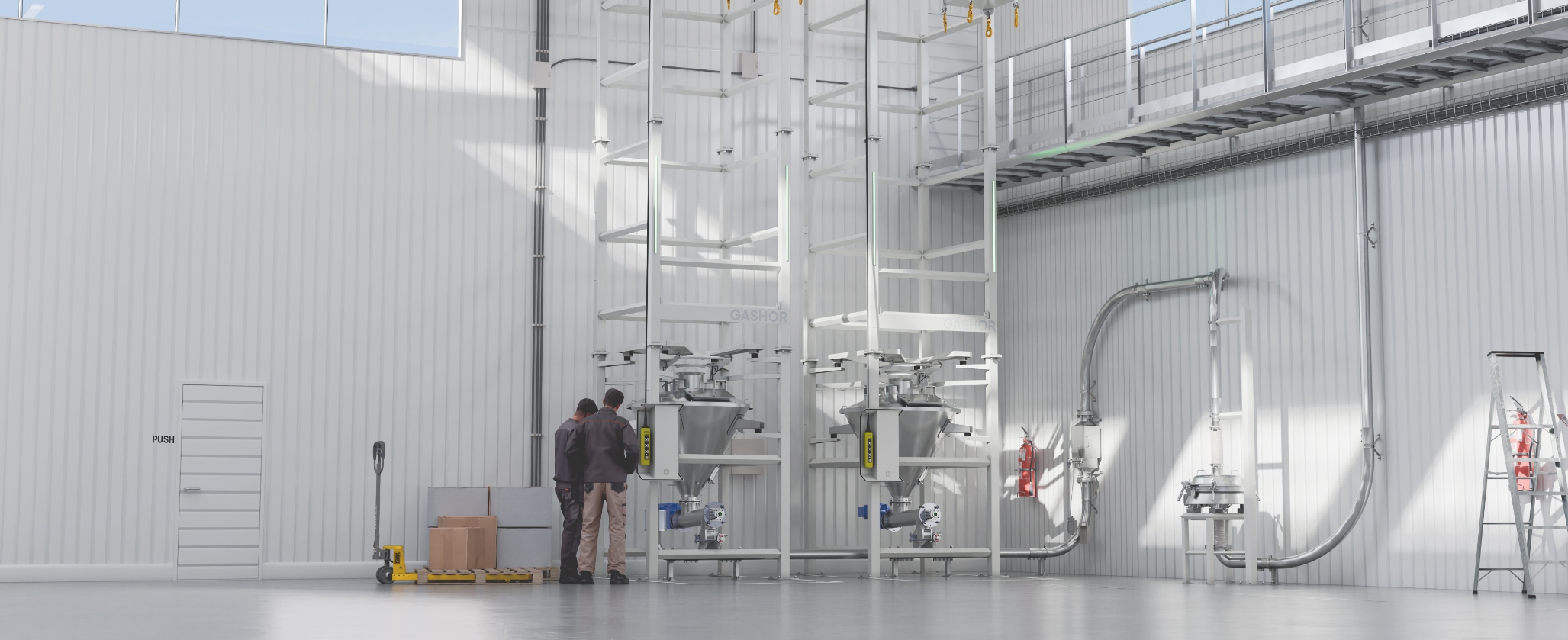
We analyse which type of pneumatic conveying is best suited to each application
Types of pneumatic conveying
The two main technical decisions are usually these: how the airflow is generated and how the product travels through the pipeline.
Based on these criteria, we determine whether vacuum or pressure conveying is the most suitable option, and whether the product should be conveyed in dense phase or dilute phase.
01
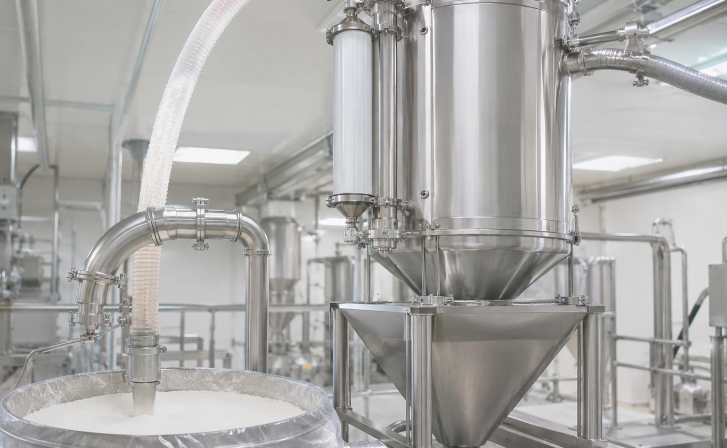
Vacuum pneumatic conveying
In this system, the product is conveyed to a receiving point by means of vacuum.
It is often a highly suitable solution when material needs to be collected from multiple source points or when product containment and environmental cleanliness are the main priorities.
When is it the right choice
- When product needs to be collected from multiple pick-up points
- When reducing airborne dust is a priority
- When the process requires contained and hygienic handling
- When it is advantageous to centralise product reception
Advantages
- Better material containment during conveying
- An effective solution for hygiene-critical environments
- It facilitates configurations with multiple pick-up points
02
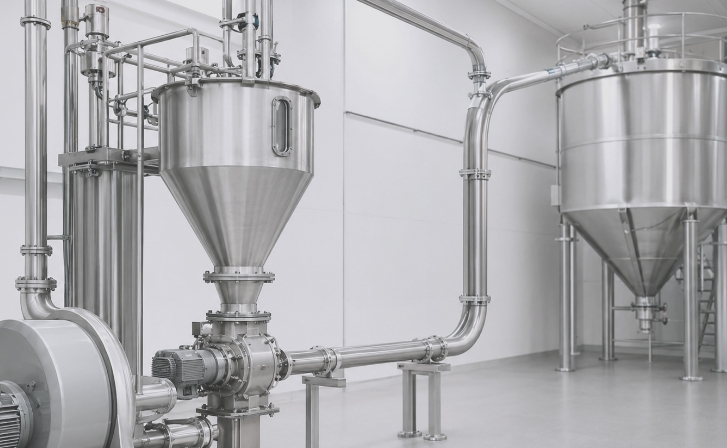
Pressure pneumatic conveying
In this system, the product is conveyed by positive-pressure air to one or more destinations
It is a highly effective configuration when product needs to be conveyed over longer distances or distributed to multiple discharge points.
When is it the right choice
- When long conveying distances are required
- When high throughput rates are required
- When a single source needs to feed multiple destinations
- When product distribution is an integral part of the plant layout and operating logic
Advantages
- Good long-distance conveying capability.
- It allows multiple discharge points to be supplied
- It integrates well into plants where product distribution to different lines or equipment is required
03
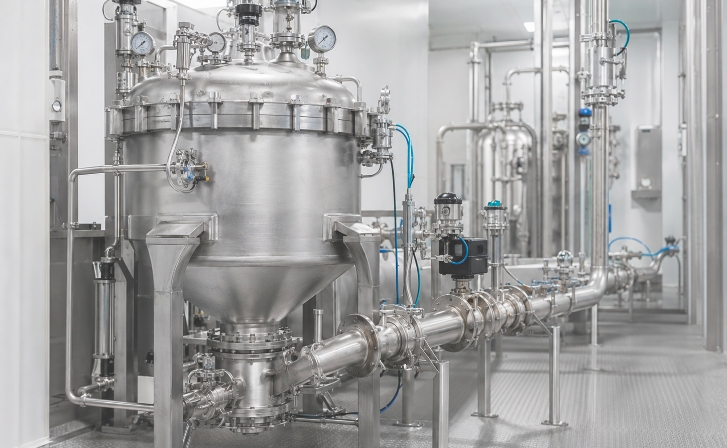
Dense phase pneumatic conveying
In dense phase conveying, the product travels at lower velocity and with a higher solids concentration,
It is the right option when the material must not degrade during conveying or when it is important to limit fines generation, wear or segregation.
When is it the right choice
- For fragile products
- For abrasive materials
- For high-value ingredients
- For materials sensitive to fines generation
- For processes where product integrity is a priority
Advantages
- Reduced mechanical stress on the product
- Reduced fines generation
- Reduced wear in certain applications
- Better preservation of the material's characteristics
04
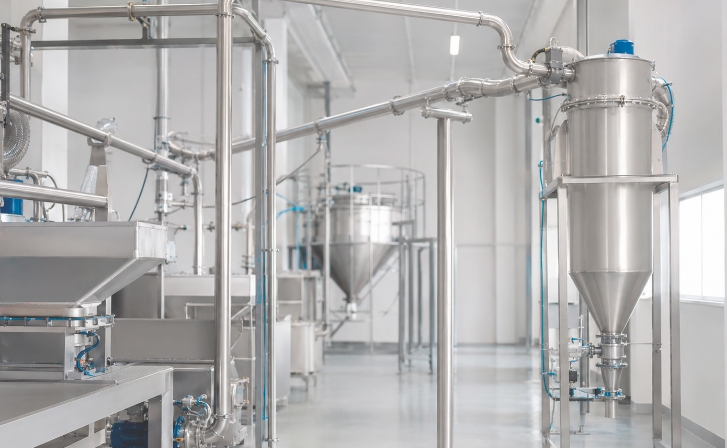
Dilute phase pneumatic conveying
In dilute phase conveying, the product is suspended in the air and travels at a higher velocity. It is a suitable solution for many industrial applications where the material can withstand the conveying conditions, and the objective is to combine capacity, flexibility and a lower initial investment.
When is it the right choice
- For powders or granules with stable flow characteristics
- For applications where the product can tolerate higher conveying velocities
- For processes requiring high throughput
- For installations where the technical and economic balance favours this configuration
Advantages
- A widely used solution for many industrial applications
- Good performance for high throughput applications
- Reduced complexity in certain applications
Dense phase vs. dilute phase: how we decide
Criterion
Product velocity
Material integrity
Fines generation
Line wear.
Typical application
Selection criteria
Dense phase
Low
Very high
Low
Lower in many cases
Fragile, abrasive or high-value product
Protect the product and the process
Dilute phase
High
Lower for sensitive products
Higher
Higher for abrasive materials or demanding conveying routes
Stable product with throughput as the priority
Maximise capacity when the material allows it
In other words:
If, in your case, you place greater value on…
Protect a fragile or high-value product
Reduce fines generation and wear
Handle high throughput with a stable product
Prioritise capacity when the material can withstand the conveying conditions
Then the best fit is usually…
Dense phase
Dense phase
Dilute phase
Dilute phase
But the most important thing is to understand your process, so get in touch with us and we will analyse it specifically for your application
Pneumatic conveying according to the material or ingredient
We do not design the same way for flour as we do for a fragile, abrasive or cohesive ingredient
Two materials may appear similar and yet require completely different solutions
The design of an ingredient conveying system depends on the actual behaviour of the product: bulk density, flowability, fragility, abrasiveness, tendency to adhere, moisture sensitivity and hygienic requirements.
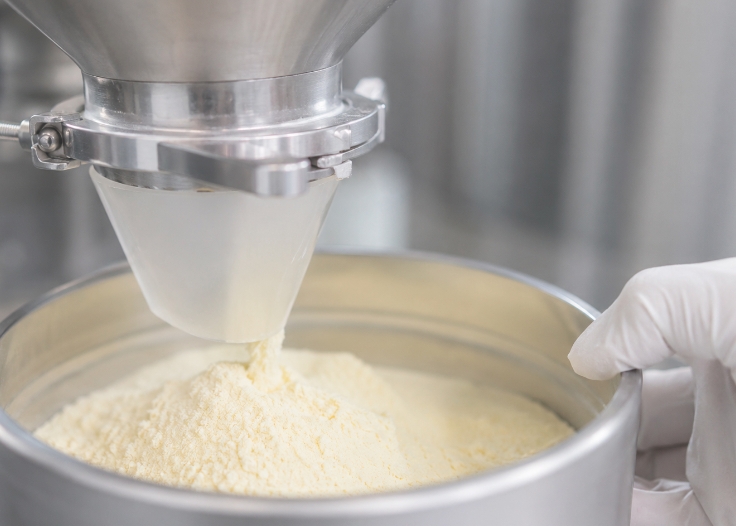
Flours and food powders
They require a design that takes into account powder behaviour, environmental control, filtration and cleaning operations
Fragile ingredients
When the product must not break down or generate excessive fines, conveying velocity and the type of conveying system become critical.
Abrasive materials
The focus is on protecting the conveying line, reducing wear and ensuring operational stability.
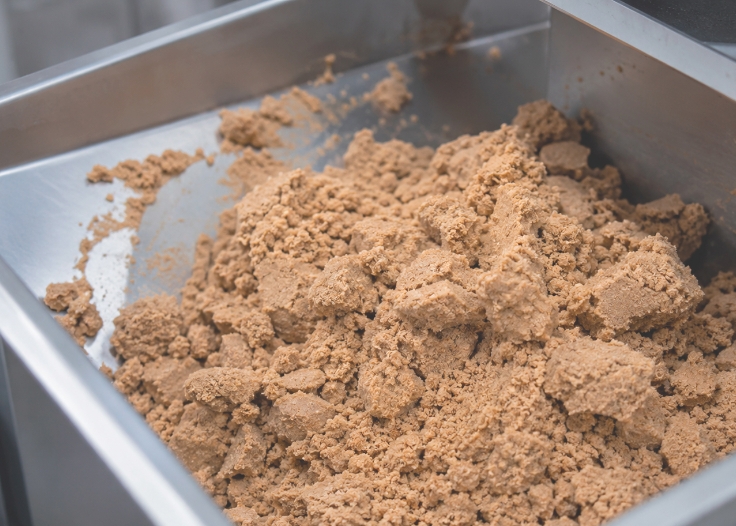
Fatty or cohesive ingredients
They require careful consideration of adhesion, material build-up, blockages and ease of cleaning.
High-value products
When every loss matters, the system must minimise material retention, product degradation and conveying-related losses.
Sectors where Gashor solutions deliver the greatest value
Solutions for sectors where product integrity and conveying hygiene are critical
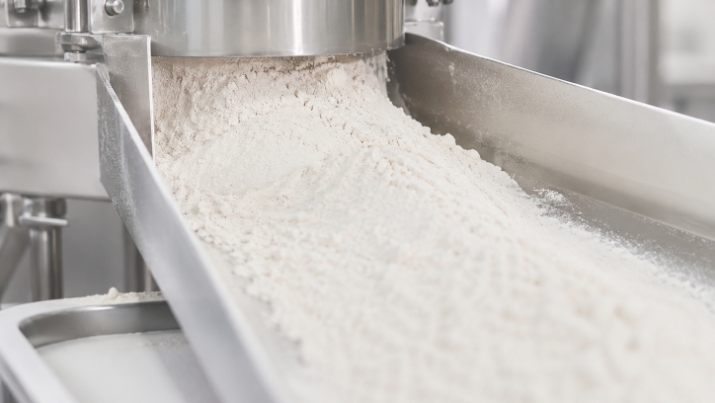
Food industry
We design pneumatic conveying systems for environments where hygiene, operational traceability and product stability are essential. Especially in processes involving flours, powders, blends and sensitive ingredients.
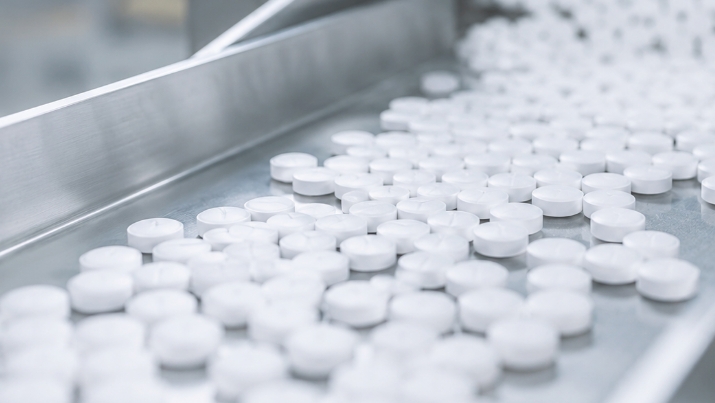
Chemical and pharmaceutical industries
Processes involving powder or granular materials, containment requirements, operational precision and high sensitivity to contamination or process deviations.
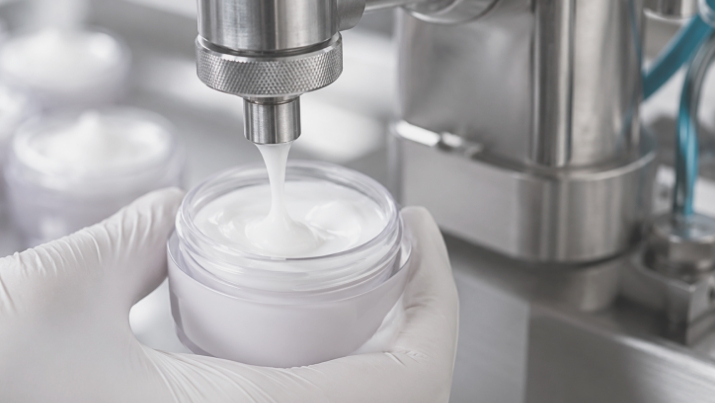
Cosmetics industry
Applications with delicate, costly or sensitive materials, where conveying must be clean, controlled and compatible with demanding handling.
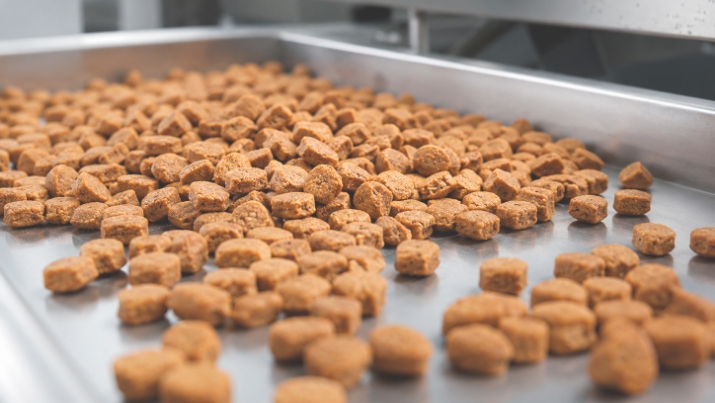
Pet food
Environments where product integrity, fines reduction and process reliability have a direct impact on final quality and efficiency.
If you operate in another industry that handles ingredients, we can also help you become more efficient
Integration of a more efficient pneumatic conveying system into an existing plant
Modernise your conveying system without rebuilding half your plant
A large part of our projects do not start from scratch. They start from a live installation, with existing equipment, limited space and a production process that cannot be stopped beyond what is strictly necessary.
That is why at Gashor we approach pneumatic conveying with a real integration mindset:
- what is kept
- what is adapted (retrofit)
- what is replaced
- and how it is implemented with minimal impact
This is how we do it:
01
We audit the current situation
We review conveying routes, existing equipment, loading and discharge points, space limitations and real operating conditions.
02
We reuse what makes sense to retain
Not every project requires a complete overhaul. When feasible, we reuse part of the existing installation (retrofit).
03
We plan the implementation with an operational focus
The solution must not only be technically correct. It must also be deployable without disrupting the plant layout or halting production.
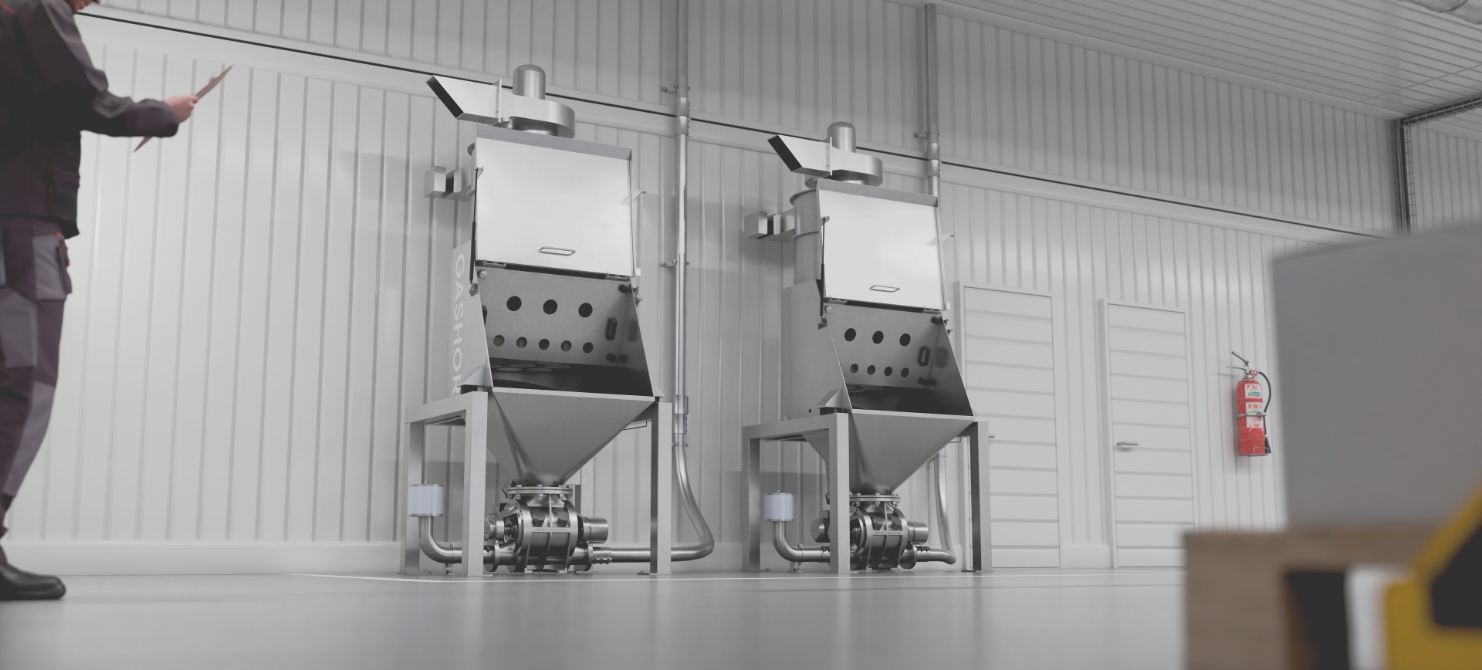
Hygiene, reliability and product integrity during conveying
Having greater control over ingredient conveying means lower process risk
A good pneumatic conveying system is not only valued for moving product from one point to another. It is valued for how it moves it: with cleanliness, with stability, with impact on the material and with level of operational reliability.
These are the main variables we consider at Gashor when designing our pneumatic conveying projects:
Reduced exposure of the product to the environment
Closed systems help reduce airborne dust and reinforce ingredient containment during conveying.

Reduced risk of contamination during conveying
When conveying is properly designed, leakage, material build-up and operational hotspots are reduced.

Reduced impact on maintenance and wear
The system design must take into account not only project start-up, but also its long-term performance.

Greater product integrity
The correct selection of technology helps prevent breakage, segregation, fines generation and undesired product alterations.

Greater operational stability
A well-designed conveying system reduces incidents, workarounds and reliance on manual corrective actions related to product flow.
How we work
This is our method for defining a pneumatic conveying solution tailored to your process
1. We analyse the material and the conveying route
We study the product, the throughput, the distances, the source and destination points and the process conditions.
2. We evaluate the plant
We review integration, available space, existing equipment and installation constraints.
3. We select the appropriate technology
We define whether vacuum or pressure conveying is more suitable, whether to use dense or dilute phase, and the technical criteria that should govern the line design.
4. We design, manufacture and implement
We develop the solution and implement it in the plant with a complete project approach.
5. We support commissioning and provide ongoing assistance
The goal is not only to install the system, but to ensure it operates stably in production.
You can count on Gashor throughout your entire project.
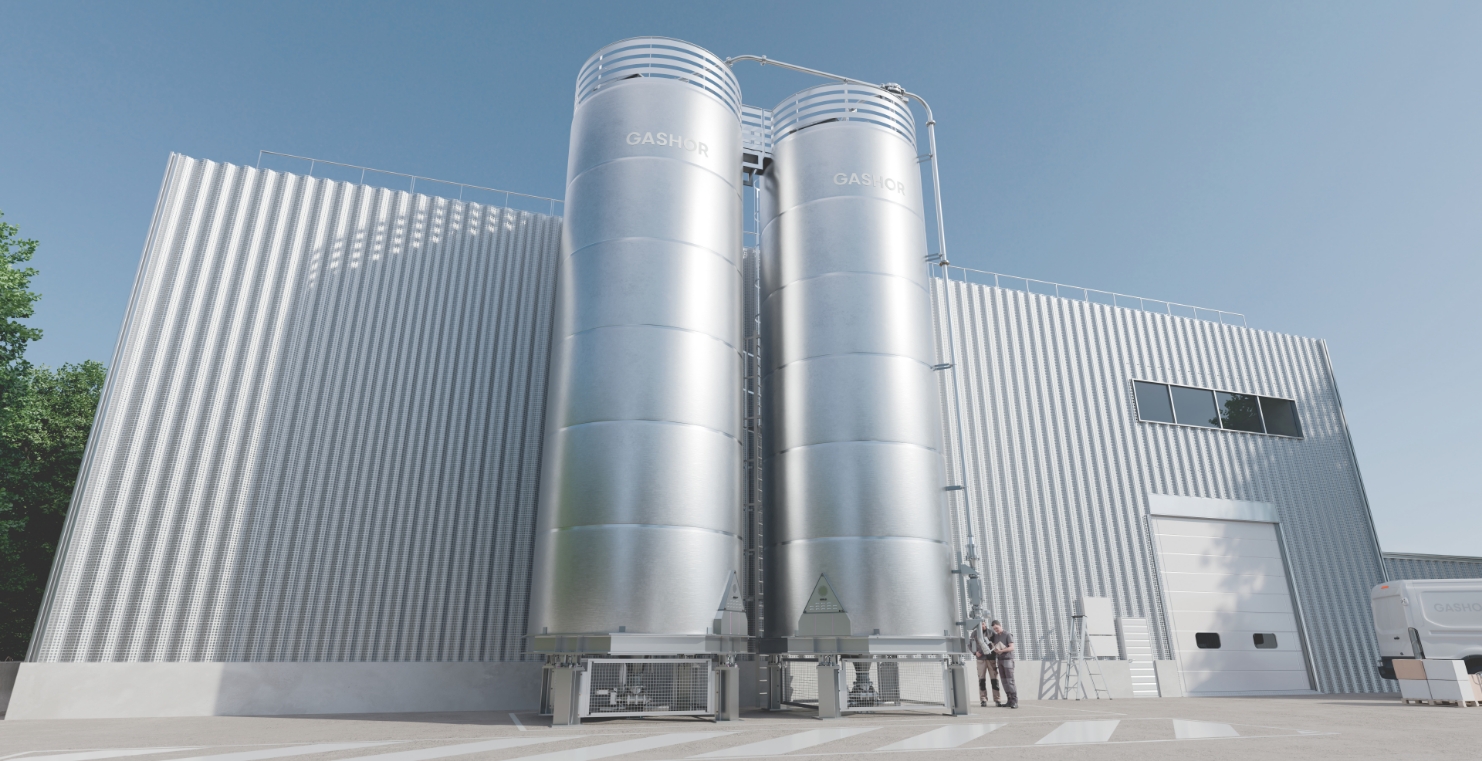
Related solutions
Pneumatic conveying is part of a broader process solution
In many projects, pneumatic conveying is integrated with other plant solutions. Sometimes the main challenge is not moving the ingredient, but how it is stored or how it is introduced into the process.
That is why, in addition to pneumatic conveying solutions, at Gashor we support you in the other challenges of industrial ingredient handling:
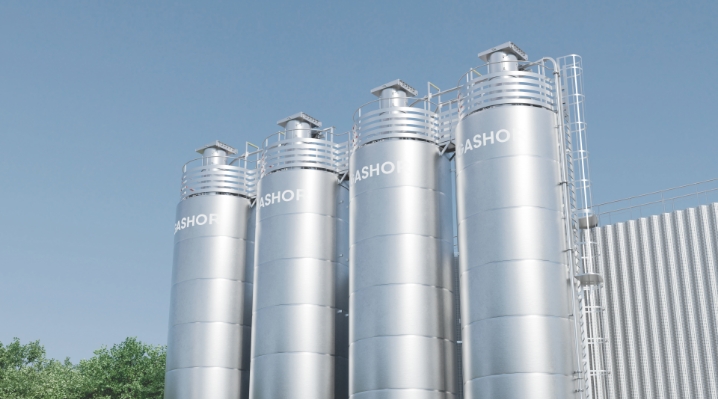
Industrial ingredient storage
For projects focused on silos, hoppers, discharge, product preservation and stable process feeding.
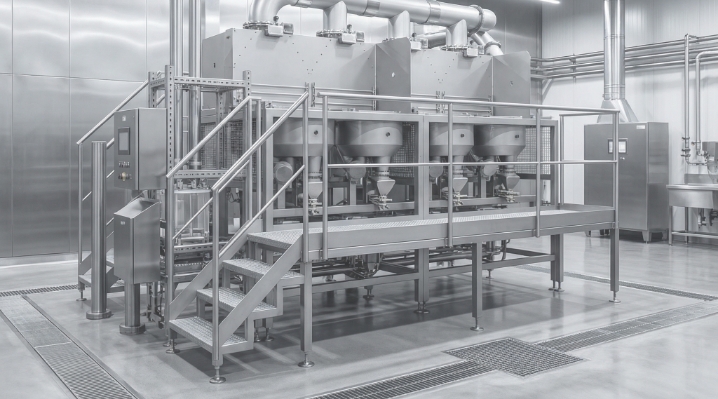
Industrial ingredient storage
For processes where the priority is dosing accuracy, repeatability and control of ingredient addition to the process.
Frequently asked questions about industrial pneumatic conveying
The decision mainly depends on material behaviour, the required product integrity level, the required throughput and the conveying route.
When the product is fragile, abrasive, sensitive or high-value, dense phase conveying is usually the most suitable solution.
When the material can withstand higher conveying velocities and the process prioritises capacity, dilute phase conveying may be sufficient.
Vacuum conveying is particularly useful when there are multiple pick-up points or when product containment and environmental cleanliness are the main priorities.
Pressure conveying is generally more suitable when product needs to be transported over longer distances or distributed to multiple discharge points.
Flours, powders, granulates, pellets and many other materials can be conveyed pneumatically, as long as the system is designed according to their actual behaviour.
The key is not whether the material “can” be conveyed, but how it should be conveyed in order to avoid degradation and operational issues.
With a combination of a closed system, proper conveying route design, ease of cleaning, correct technology selection and a process definition focused on reducing leakage, material build-up and dead zones.
It influences it insofar as it can alter the behaviour of the ingredient before it is used in the process.
If the system generates fines, breakage, segregation or material build-up, the final product quality is negatively affected.
If conveying protects the material, it helps maintain downstream process stability.
Yes. In fact, this is a very common situation. The key is to properly analyse the existing installation and define a realistic solution from both a technical and operational perspective.
It reduces process losses during conveying: losses due to fines generation, line retention, leakage, material build-up or poorly designed transfer points.
Like any industrial system, it requires preventive maintenance. The frequency and criticality depend on the conveyed material, the system configuration and the operating regime.
A good design helps reduce wear and operational incidents.
When the existing installation limits performance, causes operational issues or is no longer adapted to the process, but there are still elements that can be reused.
In many cases, it is a more cost-effective and faster alternative to a complete system overhaul.
Based on the material analysis, the conveying route, the expected product behaviour and the real plant conditions.
In complex projects, prior technical validation is especially important to ensure that the chosen solution matches the actual process requirements.
Tell us what ingredient you need to move, between which points and under which conditions: we will help you define the most suitable solution.
If you are evaluating a new pneumatic conveying system or need to upgrade an existing installation, we study your case before proposing a solution. The goal is not to offer a generic configuration, but to define the system that best fits your material, your process and your plant.
Fill out the form and click SEND.

